
Buying a fixer-upper can be equal parts exciting and intimidating. For first-time homebuyers, it’s a chance to snag a home at a lower price and shape it into something uniquely yours. But hidden costs, outdated systems, and renovation fatigue can turn that dream into a financial maze. The key is knowing what to look for — and how to plan before you swing the hammer.
________________________________________
Quick Summary
Fixer-uppers can be great investments — if you budget for the unexpected, get a thorough inspection, and plan renovations in the right order. Start with essentials like structure, safety, and systems before chasing aesthetics.
________________________________________
Knowing What You’re Getting Into
A “fixer-upper” isn’t just a house that needs paint — it’s often a property with older systems, aging roofs, or outdated wiring. The charm is real, but so is the work. Before falling in love, consider:
● The neighborhood’s long-term value
● The renovation costs plus 20% for surprise issues
● Your comfort level with ongoing projects
● Whether it’s worth the time (and dust)
________________________________________
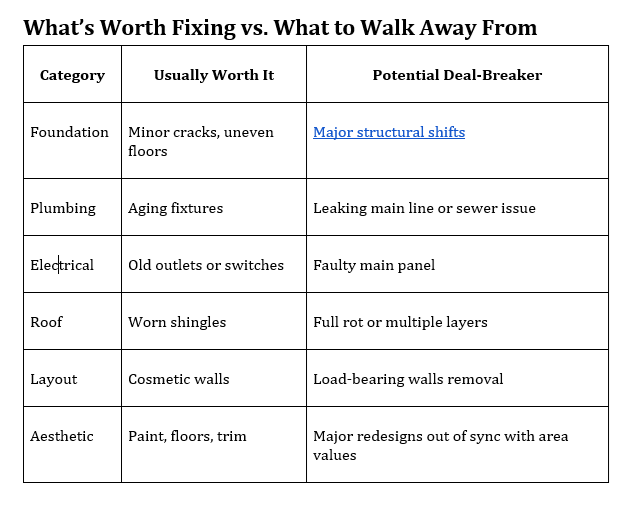
What’s Worth Fixing vs. What to Walk Away From
Home Inspection: Your Secret Weapon
Never, ever skip the home inspection. A certified inspector is your best friend when buying a fixer-upper. They can identify structural issues, mold, water damage, pest infestations, or wiring that violates code. Ask your inspector for a detailed repair priority list — then categorize findings into:
● Critical (safety or structural)
● Medium (comfort or efficiency)
● Optional (cosmetic)
________________________________________
Electrical Safety and Smart Repairs
Electrical upgrades are among the most important parts of any fixer-upper renovation. Faulty wiring or outdated panels can cause hazards that aren’t visible during a quick walk-through.
When it’s time to replace outlets, switches, or panels, make sure your materials meet current building codes. Before starting, choose reliable, high-quality components from trusted suppliers in your area. This ensures your repairs are both safe and built to last — reducing headaches (and costs) down the road.
________________________________________
How-To: Prioritize Renovations in the Right Order
1. Start with the structure — foundation, framing, roofing.
2. Move to systems — electrical, plumbing, HVAC.
3. Then address moisture and insulation — prevent mold before it forms.
4. Upgrade safety features — smoke detectors, carbon monoxide monitors.
5. Finally, finish with aesthetics — paint, flooring, cabinets, and fixtures.
This sequencing keeps your budget under control and prevents you from redoing work later.
________________________________________
FAQs
Q: Is buying a fixer-upper cheaper in the long run?
A: Sometimes — but only if you plan well. A solid structure and minor updates can add equity fast. A bad foundation or mold issue, however, can drain your budget quickly.
Q: How do I estimate renovation costs?
A: Use online tools from HomeLight or Angi to ballpark costs, but always add a contingency buffer of 10–20%.
Q: Can I get a mortgage for a fixer-upper?
A: Yes. Look into renovation loans like the FHA 203(k) or Fannie Mae HomeStyle Loan, which bundle repair costs into the mortgage.
Q: Should I DIY or hire contractors?
A: Mix both. DIY cosmetic tasks (painting, landscaping) save money, but leave plumbing, structural, and electrical to licensed pros.
________________________________________
Quick-Reference Checklist: Before You Buy
● Schedule a professional home inspection
● Get contractor quotes on top 3 problem areas
● Check local zoning and renovation permits
● Research material costs and local supplier pricing
● Plan your renovation phases in order of safety, function, style
● Verify resale values for updated homes nearby
● Reserve at least 15–20% of your budget for surprise issues
________________________________________
Product Spotlight: Keeping the Chaos Clean
Fixer-upper projects have a way of spreading dust into places you didn’t even know existed. The Shark Navigator vacuum is a dependable ally when your home is half-renovation zone, half-living space. Its lift-away design lets you tackle stairs, ceilings, and corners that ordinary vacuums can’t reach, while strong suction handles everything from drywall dust to pet hair. It’s the kind of tool that quietly keeps the chaos under control while you focus on transforming your space.
________________________________________
Glossary
● Fixer-Upper: A property requiring renovation before it’s move-in ready.
● Equity: The market value of your home minus what you owe.
● Inspection Report: A professional document detailing a home’s condition.
● Contingency: Extra budget buffer for unforeseen costs.
● Renovation Loan: A financing option combining purchase and remodel costs.
● Load-Bearing Wall: A structural wall that supports the weight above it.
________________________________________
A fixer-upper is not just a purchase — it’s a project, an education, and sometimes, a passion. Take the time to inspect carefully, plan your upgrades, and prioritize safety before style. The result? A home that reflects both your hard work and your vision. And remember — the best renovations aren’t rushed; they’re built to last.
Guest post by Alice Robertson